Group Headquarters Area
Grafton Park Wood
Planning, secrecy and security at the nerve centre of the airfield
Teamwork at Scale
The airfield at Grafton Underwood was initially completed by George Wimpey & Co. Limited in late 1941. Initially used for training purposes by the Royal Air Force, the airfield underwent a process of improvement and expansion during early 1942 that added to the infrastructure of the site, and the lengthening of the runways. The first American units arrived in May 1942.
An aerial photograph in February 1942 shows the Group Headquarters area to be still open fields. Initial mission planning was conducted mainly within the Control Tower, which sufficed for early missions with low numbers of aircraft involved. As the base grew, this would be far from sufficient.
By 1943, the Group Headquarters Area had been constructed. The complex was typical of other USAAF airfields and brought together all the elements required for day-to-day running of the airfield, and mission planning, into one place. The site would remain the heartbeat of the airfield until the group left in the summer of 1945.
"War is won by preparation long before the first shot is fired."- Col. Dale O. Smith, Commanding Officer
A Site Built for Coordination
The Group Headquarters Site brought together many facets of the Bomb Group, all in one place. The benefits were clear: a wealth of information and experience, all on hand, working together to prepare the group to the highest level possible ahead of their missions.
Each building had a specific purpose, and housed certain personnel who integrated to create the nerve centre of the airfield, with the necessary information at their fingertips that enabled the 384th Bomb Group to prepare thoroughly and professionally for the missions ahead.
On the Site
- Picket Post
- Operations Block
- Station Headquarters Offices
- Crew Briefing Room Annex
- Interrogation & Office Annex
- Latrines
- Bombsight Store & Workshop
The Picket Post
The Picket Post served as a guardroom to monitor visitors entering and leaving the Administrative Site. It was a simple structure intended to house guards and control access from the main roadway.
The sensitivity of the material being handled, and the high-ranking level of personnel on site, meant that security was extremely important.
Operations Block
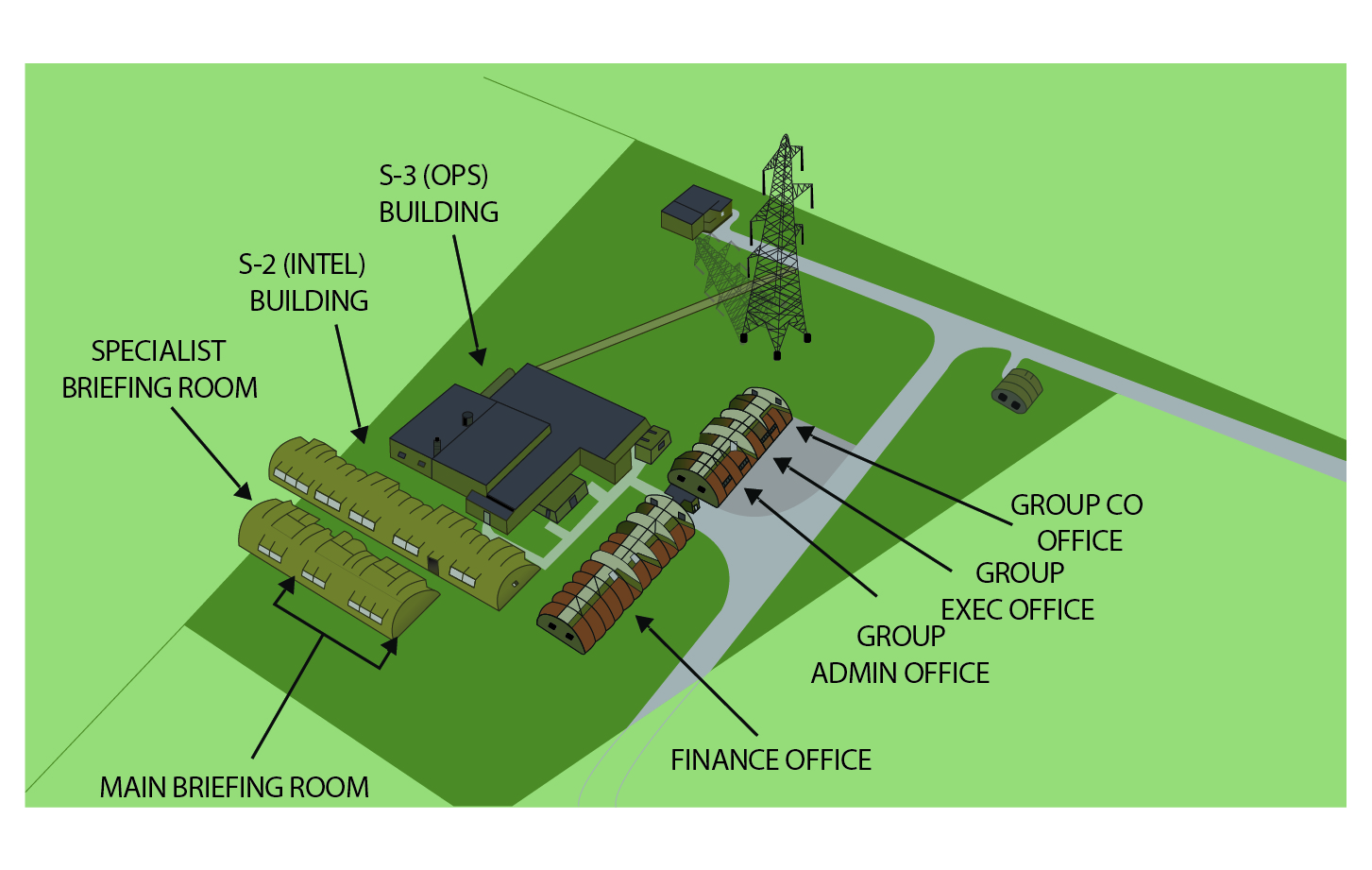
Handed over by the builders in November 1943, the Operations Block replaced the original and much smaller operations room in the ground floor of the Control Tower. It formed the heart of the Administrative Site and was where all the group-level mission planning took place.
The building was heavily protected with 13.5-inch permanent brick external walls, a six-inch reinforced concrete roof, and airlocks combined with air filtration and pressurisation systems intended to protect occupants from incendiaries and poison gas.
Inside were the telephone exchange, teleprinters, cryptographic office, communications section and message centre, all supporting intelligence, operations, engineering and supply in preparing missions and maintaining contact with bombers in flight.
Station Headquarters Offices
This building consisted of two office wings arranged on either side of a central lobby. The left-hand wing housed the Supply and Finance Offices, while the right-hand wing housed the Group Command Staff and their support offices.
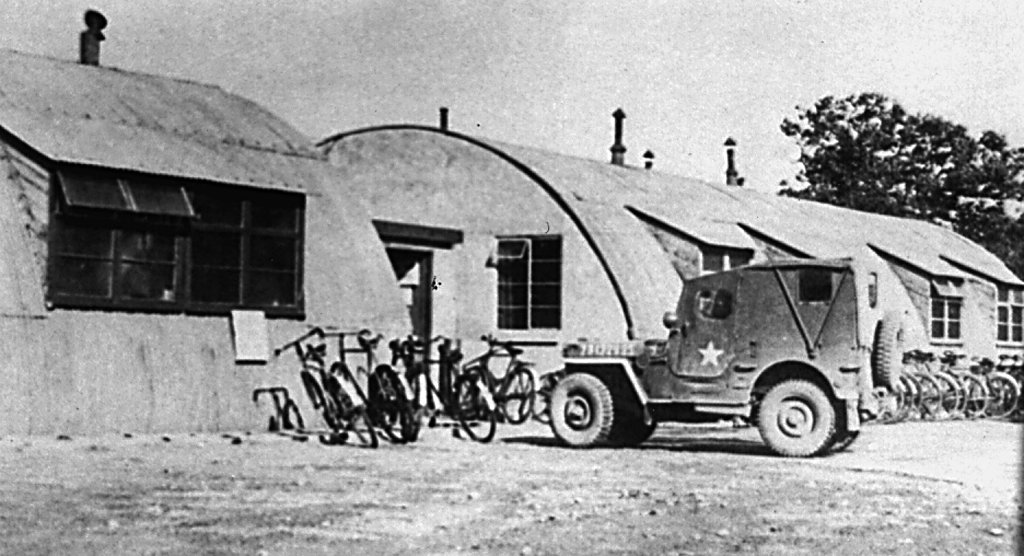
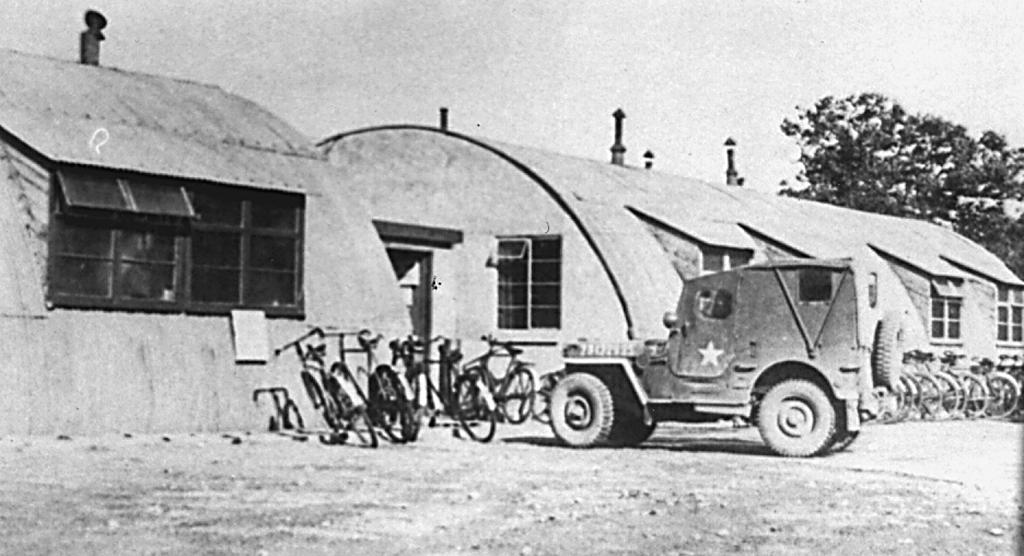
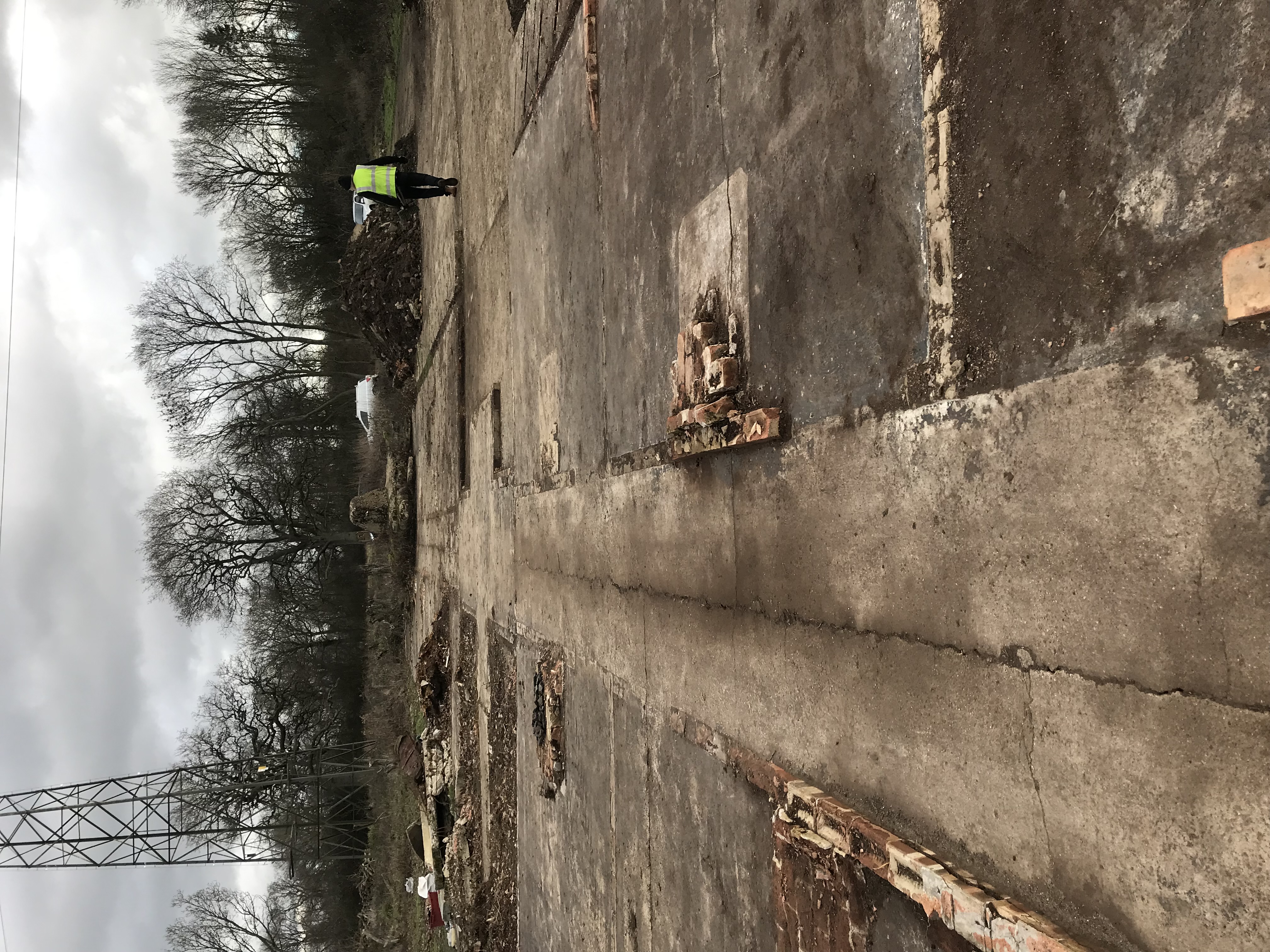
The base Post Office appears to have operated from here from some time in 1944 until the end of the war. Today, the Museum's Visitor Centre sits on the right-hand wing, and the footprint of internal walls, fireplaces, bicycle racks and the brick structure that housed the safe in the Finance Hut can still be seen.
Crew Briefing Room Annex
Built as a briefing room as part of the standard Operations Block complex, this 24 ft span Nissen remains something of a mystery, as there were already two other briefing rooms in use at Grafton Underwood by the time it was completed.
Images from mid-1944 still show a different structure, likely on the Technical Site, being used for pre-mission briefings. As built, it was an open-plan Nissen with the main point of entry via a blackout porch at the north end.
Interrogation & Office Annex
This annex contained a series of offices and store rooms along a central corridor, with a full-width interrogation room at the south end and a break room and small kitchen at the north end.
On 8th Air Force bases this building was almost always used by the S-2 Intelligence section, housing classified materials such as mission folders, aerial photographs, maps, charts and escape equipment, with the interrogation room serving as the intelligence library.
Latrine Blocks
Two toilet blocks stood near the Operations Block: a larger one and a smaller one. Although one interpretation is male and female use, the absence of evidence for female group-level staff suggests the split may instead have been between enlisted men and higher-ranking personnel.
The concrete pads still survive. Notably, these blocks do not appear to have been connected to the wider sewerage system, suggesting chemical toilets were used, while rainwater and wastewater from hand basins flowed into the general waste water network. The footprint of both toilet blocks remains one of the clearest clues to how the site was arranged.
Bombsight Store & Workshop
This structure was unique to USAAF bomber bases in the UK because of the Norden Bomb Sight. Its secrecy and importance meant it had to be removed from aircraft after each mission and placed into secure storage while not in use.
The building effectively combined two functions. A secure reinforced brick store, with a sliding steel door and internal racking, opened into a workshop where specialist engineers maintained the delicate optics and gyros. The workshop received filtered, slightly pressurised air to keep dust away from the sights.
Visitors often say it looks like a jail because of the iron grilles on the windows, but here the purpose was to keep people out, not in.
Communications, Secrecy & Security
The Group Headquarters Area was designed so information could move securely and quickly. Teleprinters brought in mission orders, cryptographic staff decoded encrypted messages, intelligence teams prepared target folders, and communications operators maintained radio links with aircraft over occupied Europe.
Message hatches and runners allowed notes to move between rooms without compromising clearance levels, while guarded entry points, heavy walls and specialist ventilation systems reflected the significance of what happened here each day.
Together, these buildings created a tightly coordinated planning environment where operations, intelligence, engineering, supply and command staff could work side by side.
Sports & Leisure Nearby
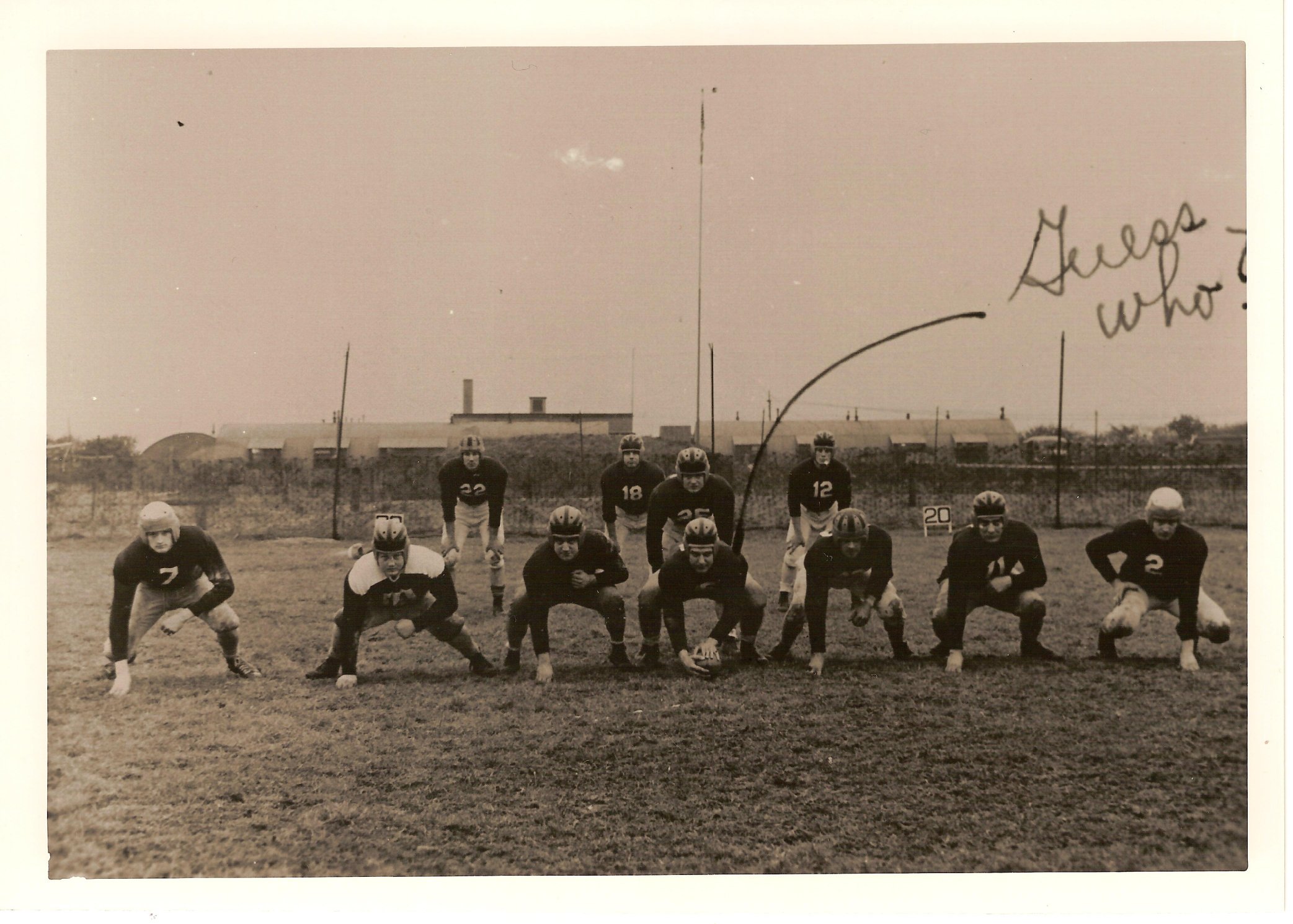
Although not directly part of the Group Headquarters Site, the nearby field was extremely important to many personnel. It became the home of American football and baseball games, and photographs show at least two tennis courts and a volleyball court were also constructed there.
Evidence of a tarmac court complete with lines, possibly for tennis, has been found on the Museum site. Photographs of American football matches with spectators standing near Broadway also provide valuable views of the Museum site with the Station Headquarters Offices and Operations Block visible in the distance. Today it is just a ploughed field, but standing on the roadway visitors can still try to recreate the camera angle seen in the wartime photographs.
Things to Look Out for Today
- The sports field, now a ploughed field, where visitors can try to match the perspective seen in the historic photographs from the roadway.
- The layout of the surviving brick walls through the office buildings.
- The bicycle racks still visible along the office frontage.
- The brick structure that housed the safe in the Finance Hut.
- The footprint of the two toilet blocks near the Operations Block.
- The upturned base of the original flag pole, still visible in the images and on site.
Gallery of the Site
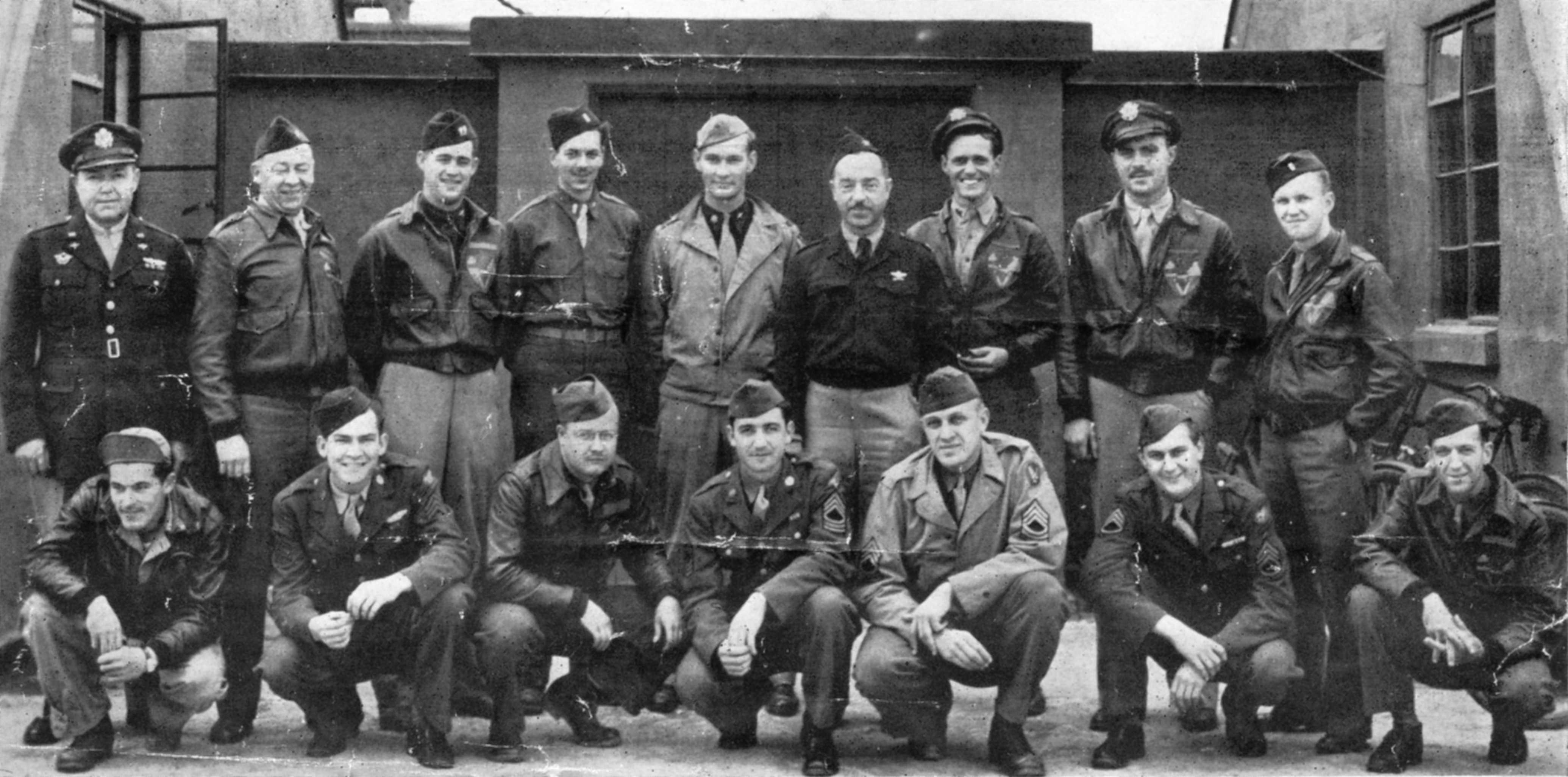
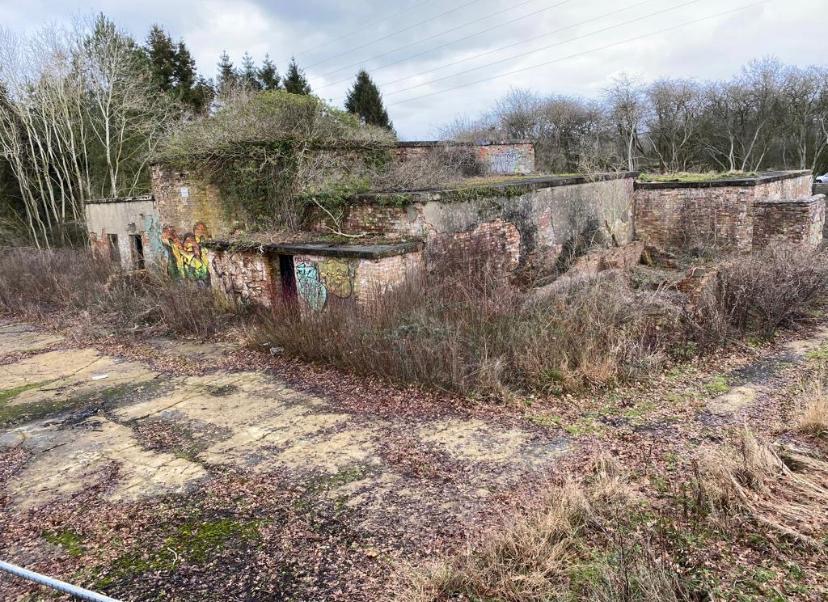
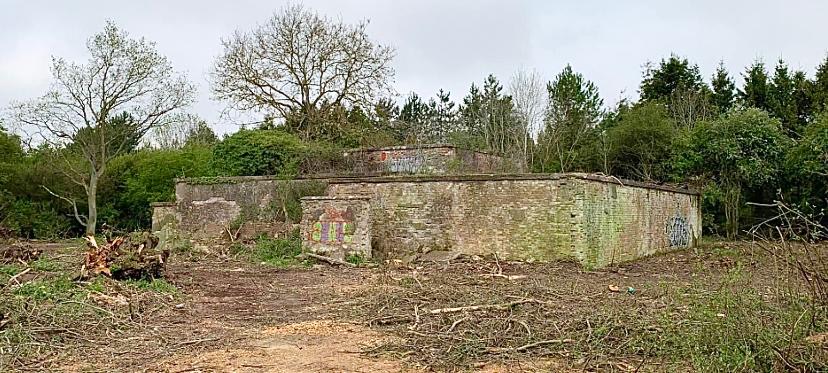
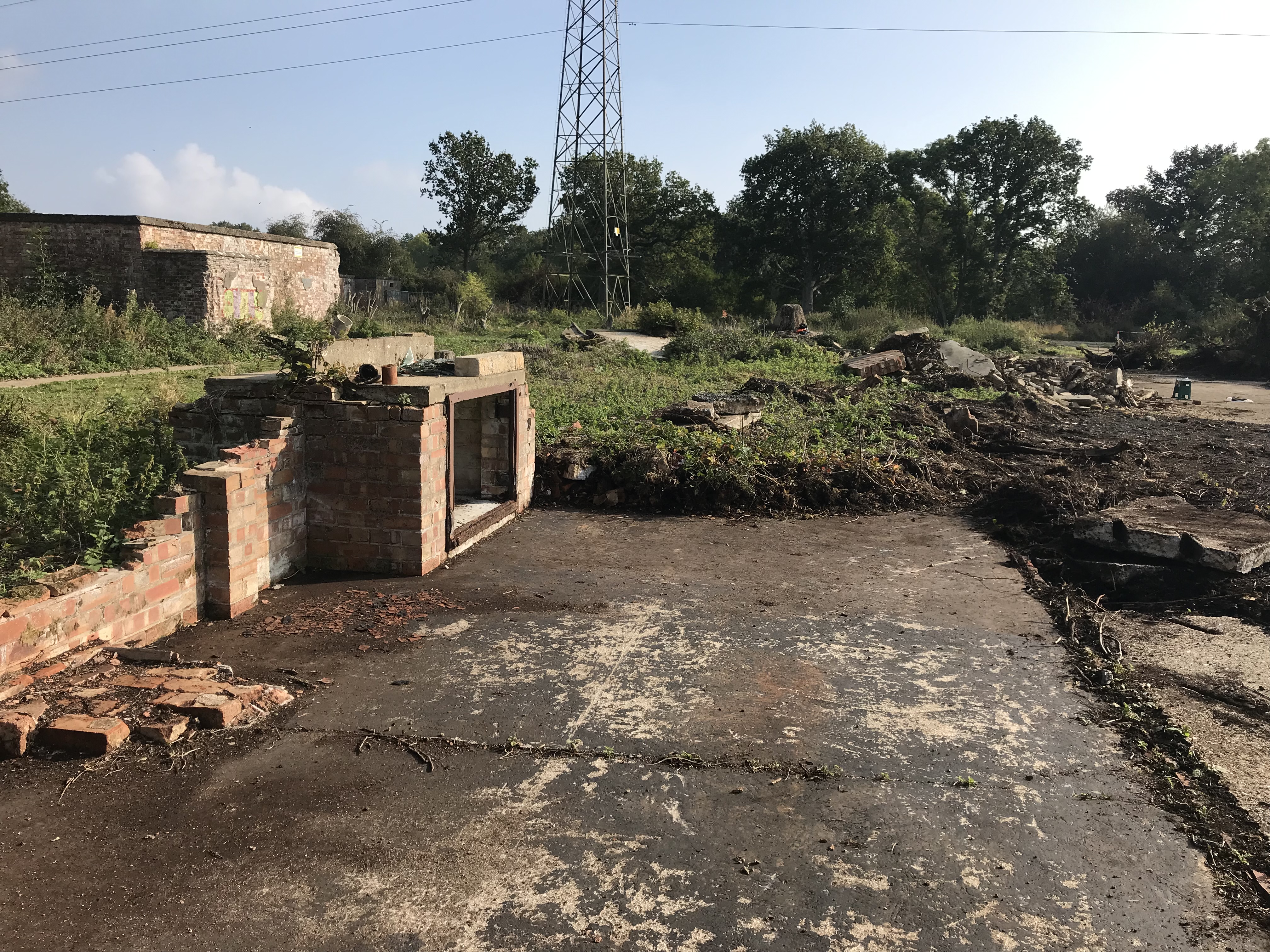
Visit the Group Headquarters Area
Walking this part of the heritage trail reveals how much of the airfield's success depended not only on aircraft and crews, but on careful preparation, secure communications and a tightly integrated support network working behind the scenes. The surviving walls, racks, hut features, toilet footprints and flag pole base all help bring that hidden story back into view.
Part of the 384th Bombardment Group Museum Heritage Trail