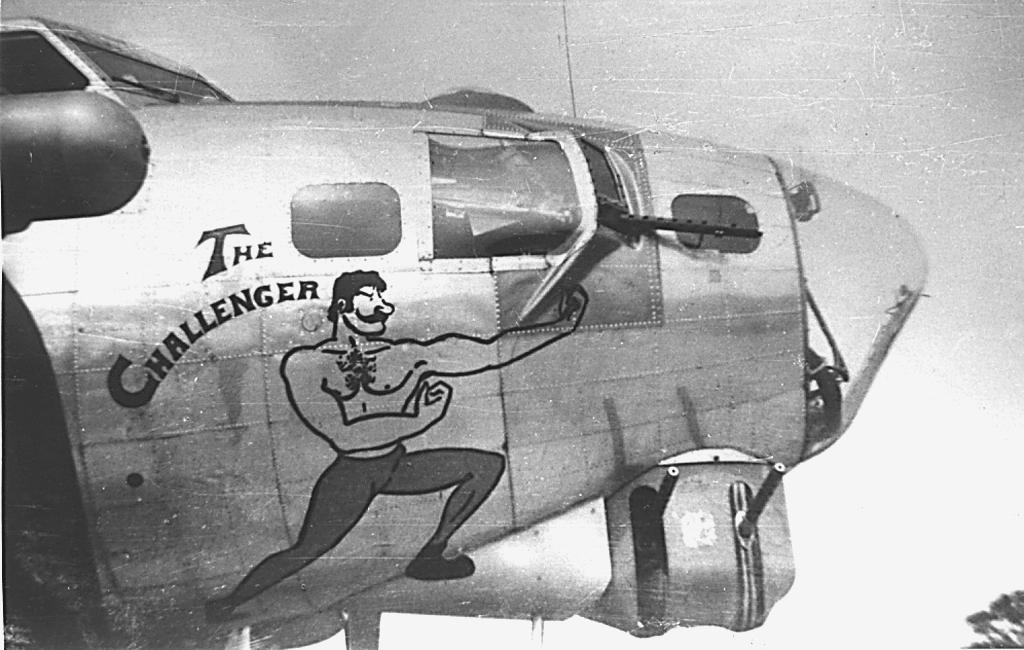
B-17G #42-102501 The Challenger. Photo courtesy of www.384thbombgroup.com
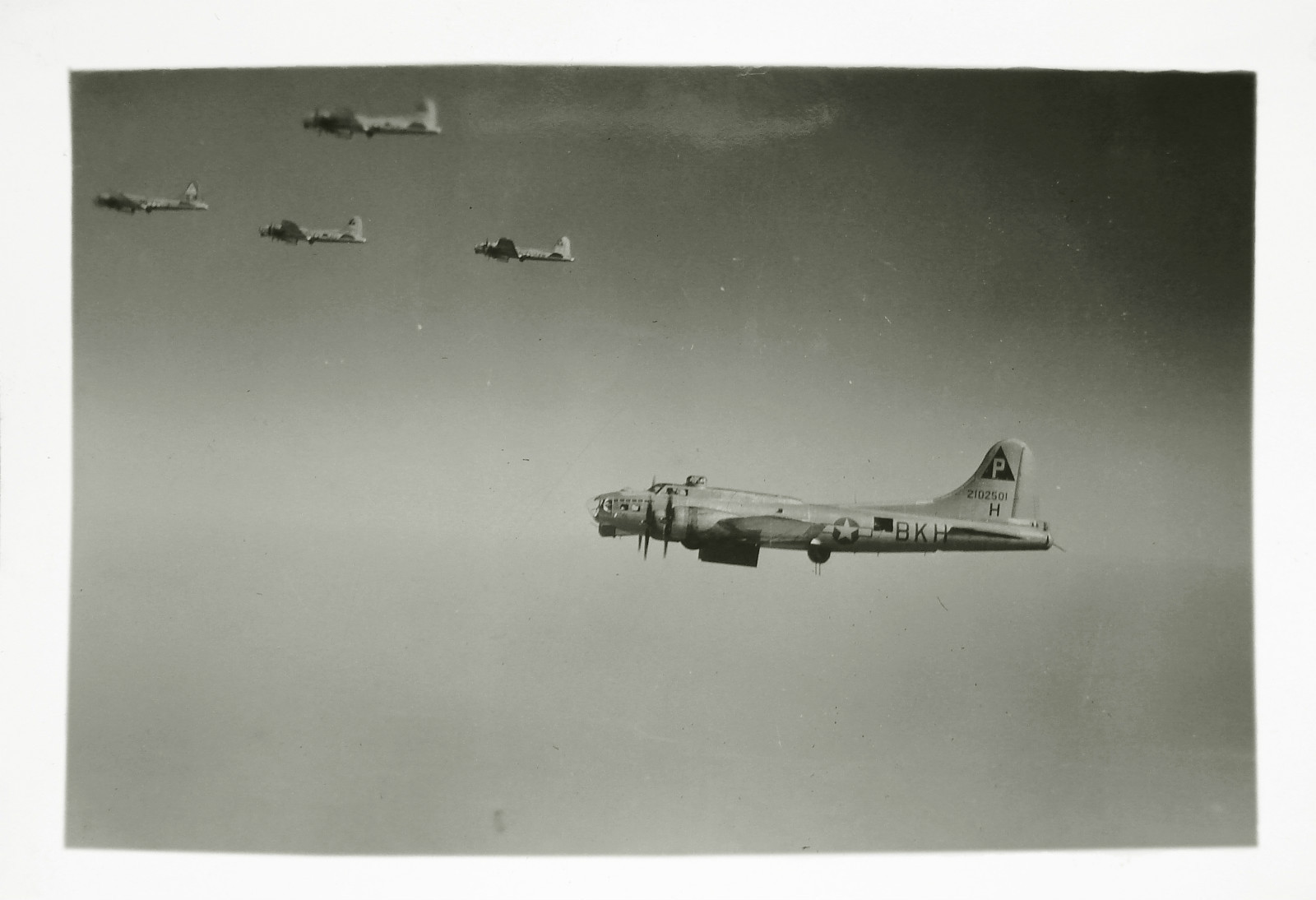
B-17G #42-102501 The Challenger. Photo courtesy of www.384thbombgroup.com
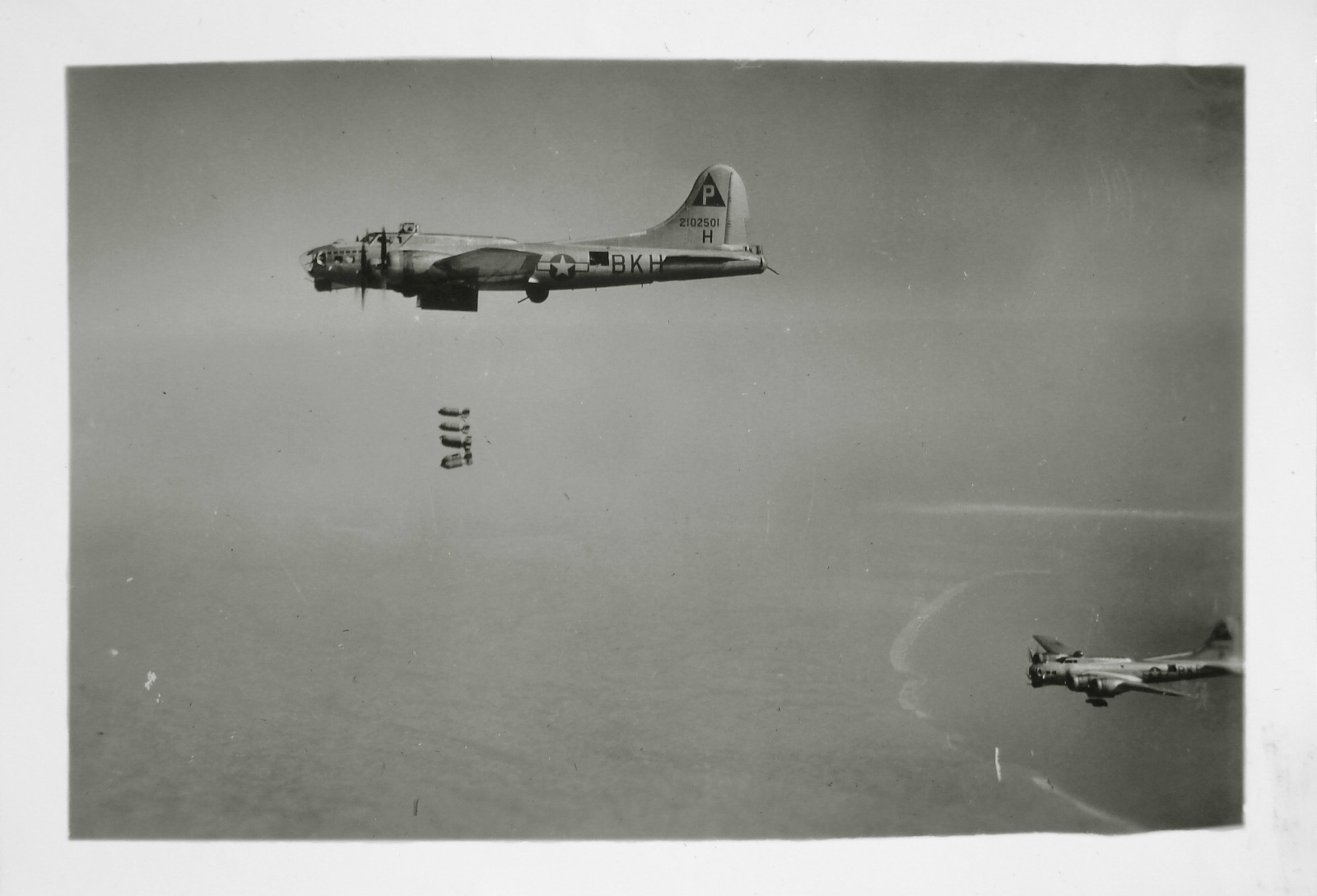
B-17G #42-102501 The Challenger. Photo courtesy of www.384thbombgroup.com
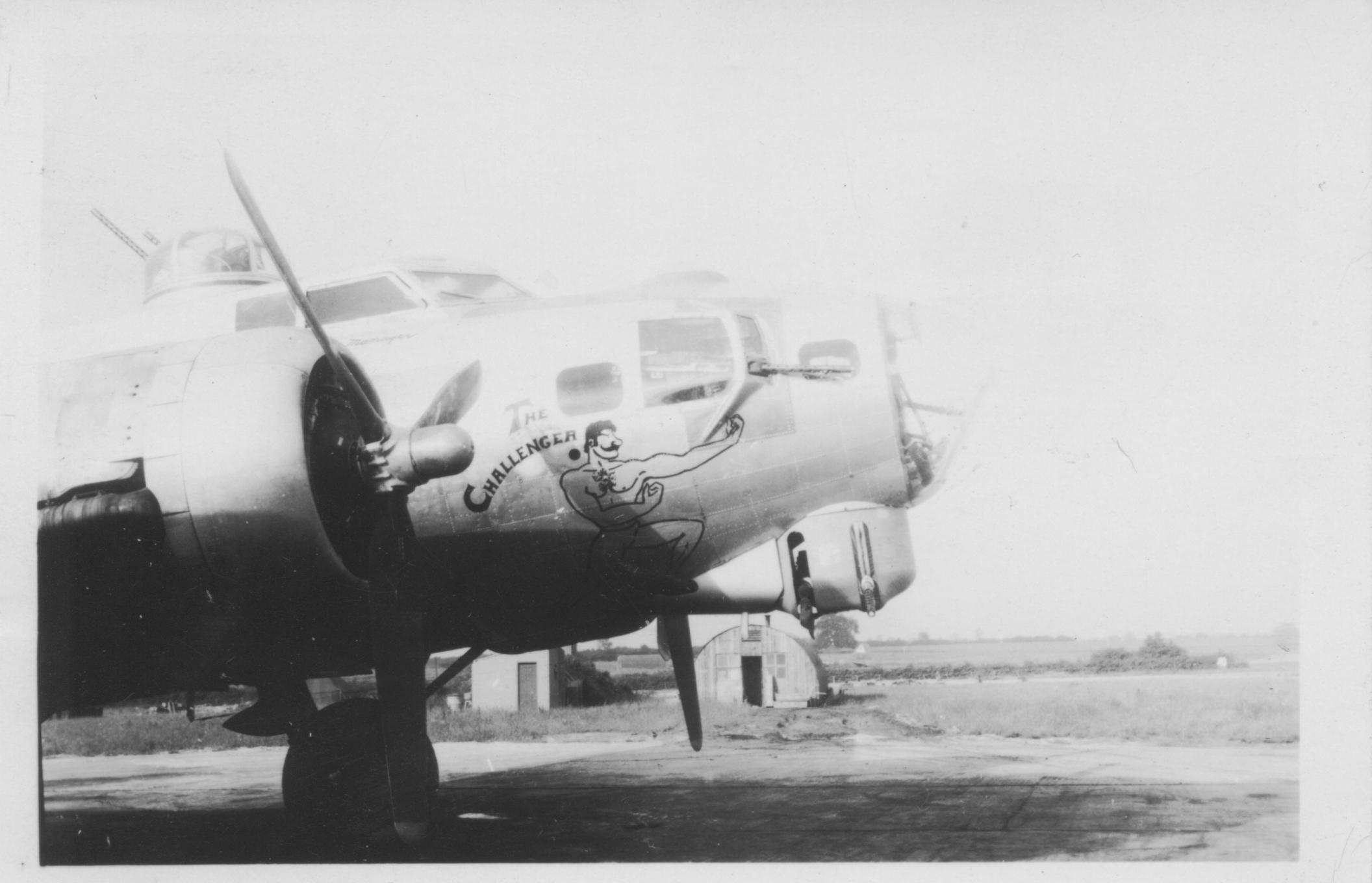
B-17G #42-102501 The Challenger. Photo part of The Arnold Watterson Collection, courtesy of www.384thbombgroup.com
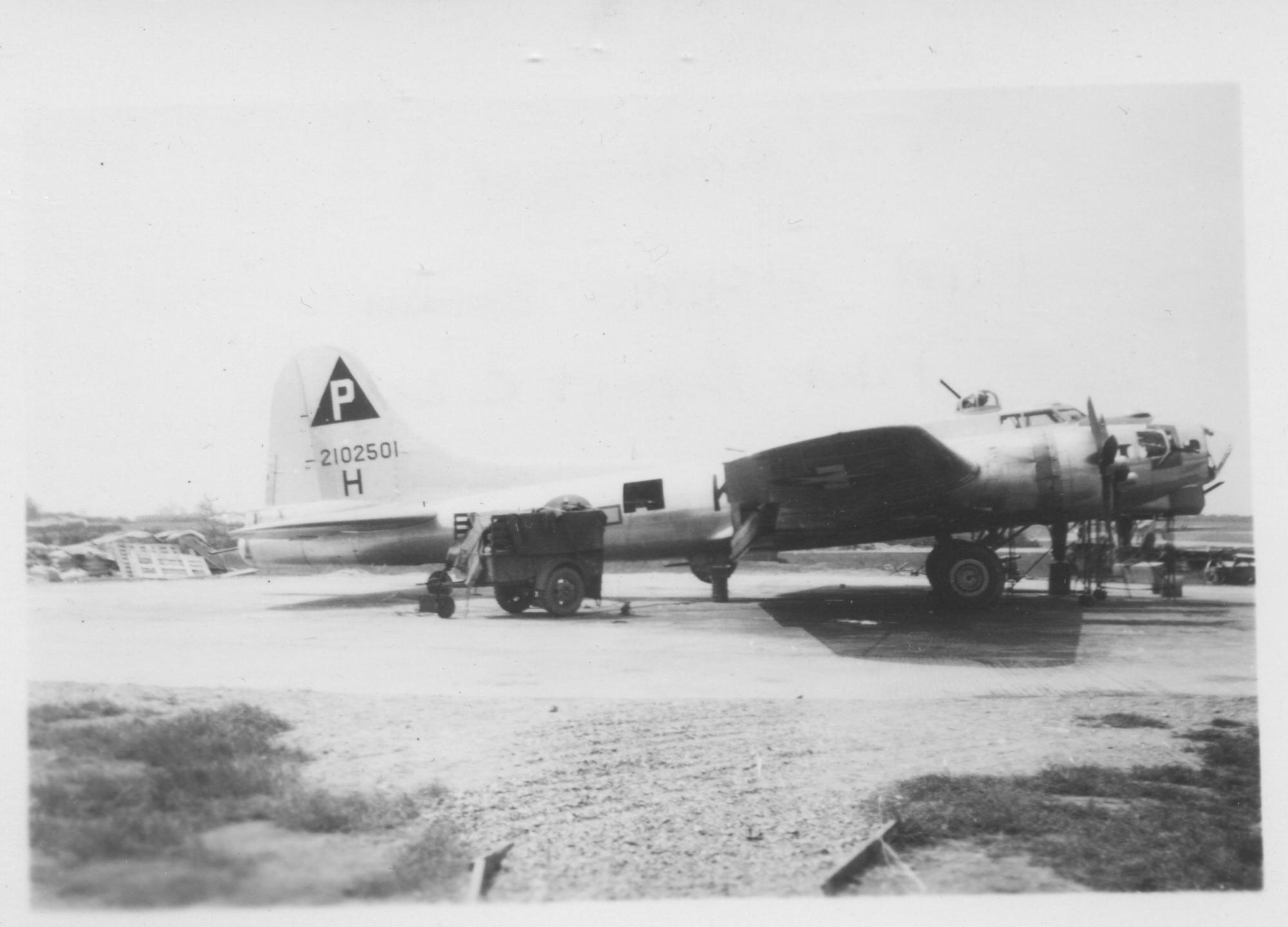
B-17G #42-102501 The Challenger. Photo part of The Arnold Watterson Collection, courtesy of www.384thbombgroup.com
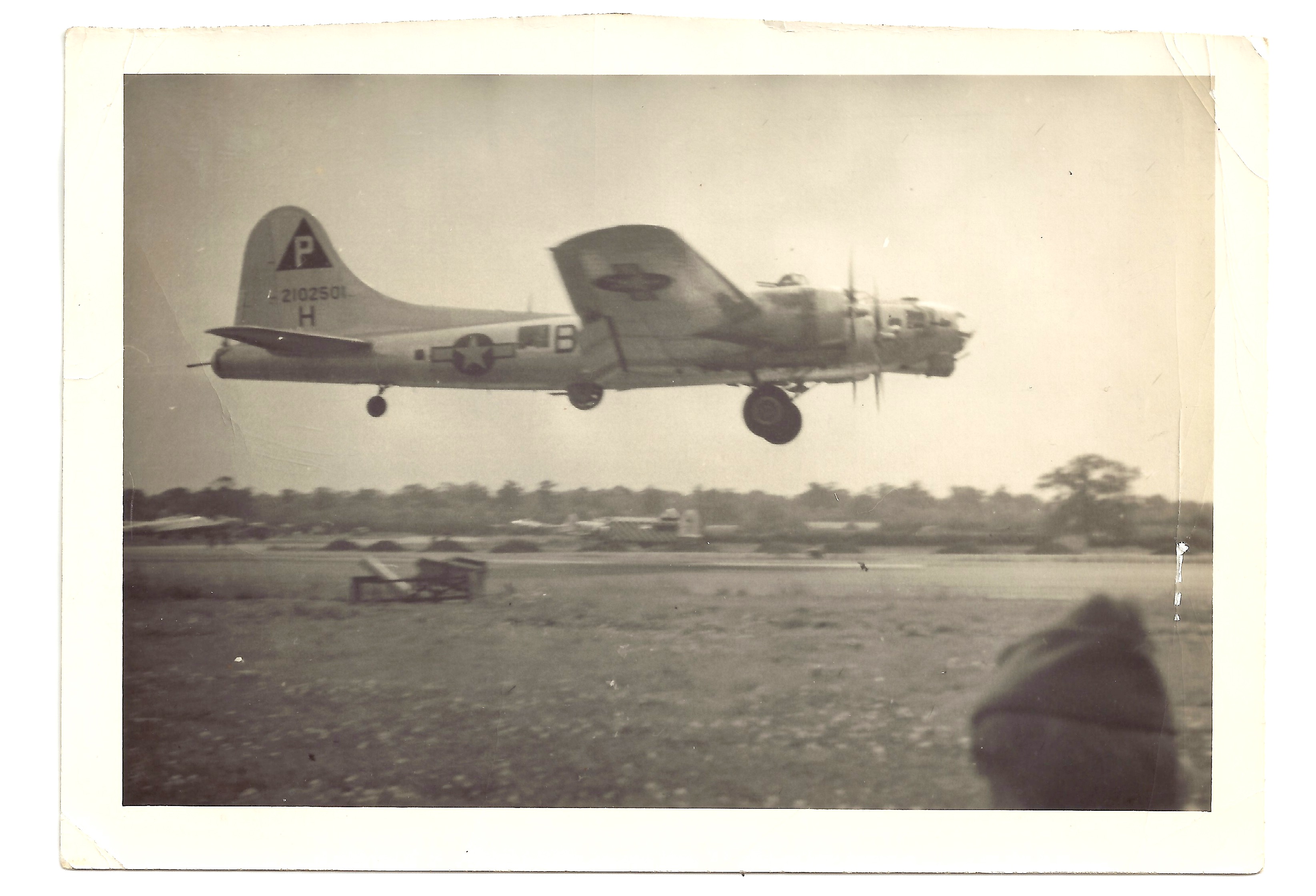
The Challenger returns from a mission into Grafton Underwood. Photo Michael Hamilton, courtesy of www.384thbombgroup.com
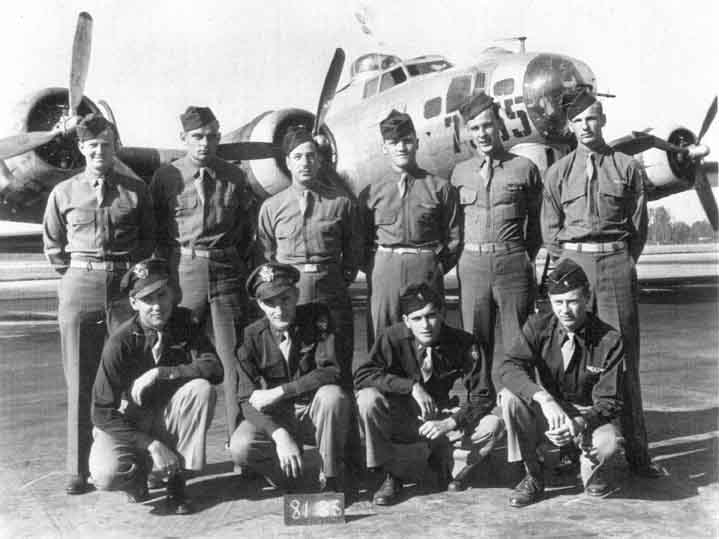
The 2nd Lt. Robert Long crew. Back L-R Sgt. Davis, Sgt. Maki, unknown, Sgt. Oglesby, unknown. Front L-R 2nd Lt. Long, 2nd Lt. Vrana, 2nd Lt. Field, unknown. Photo Edward Field courtesy of www.384thbombgroup.com
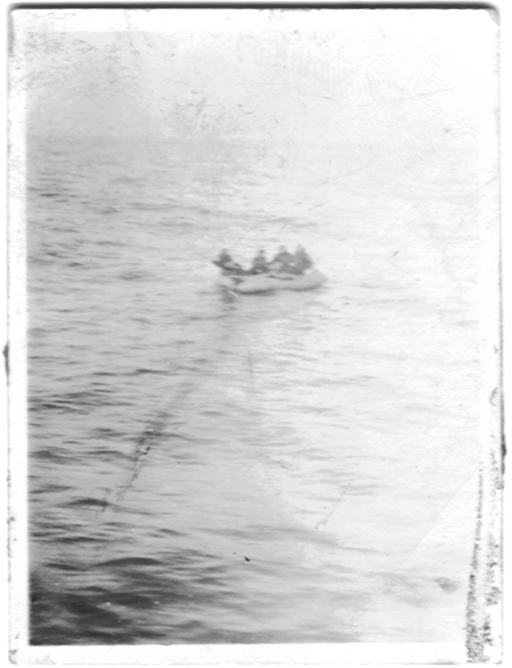
An image of one of the two lift rafts from onboard the Air-Sea rescue launch. Photo Edward Field courtesy of www.384thbombgroup.com
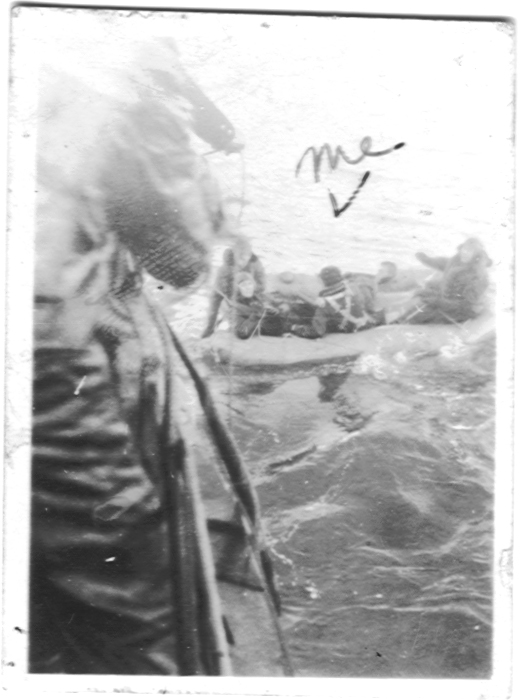
One of the two lift rafts about to be rescued by the Air-Sea rescue launch. Photo from Edward Field, 'me' having been marked on the image by himself. Photo courtesy of www.384thbombgroup.com
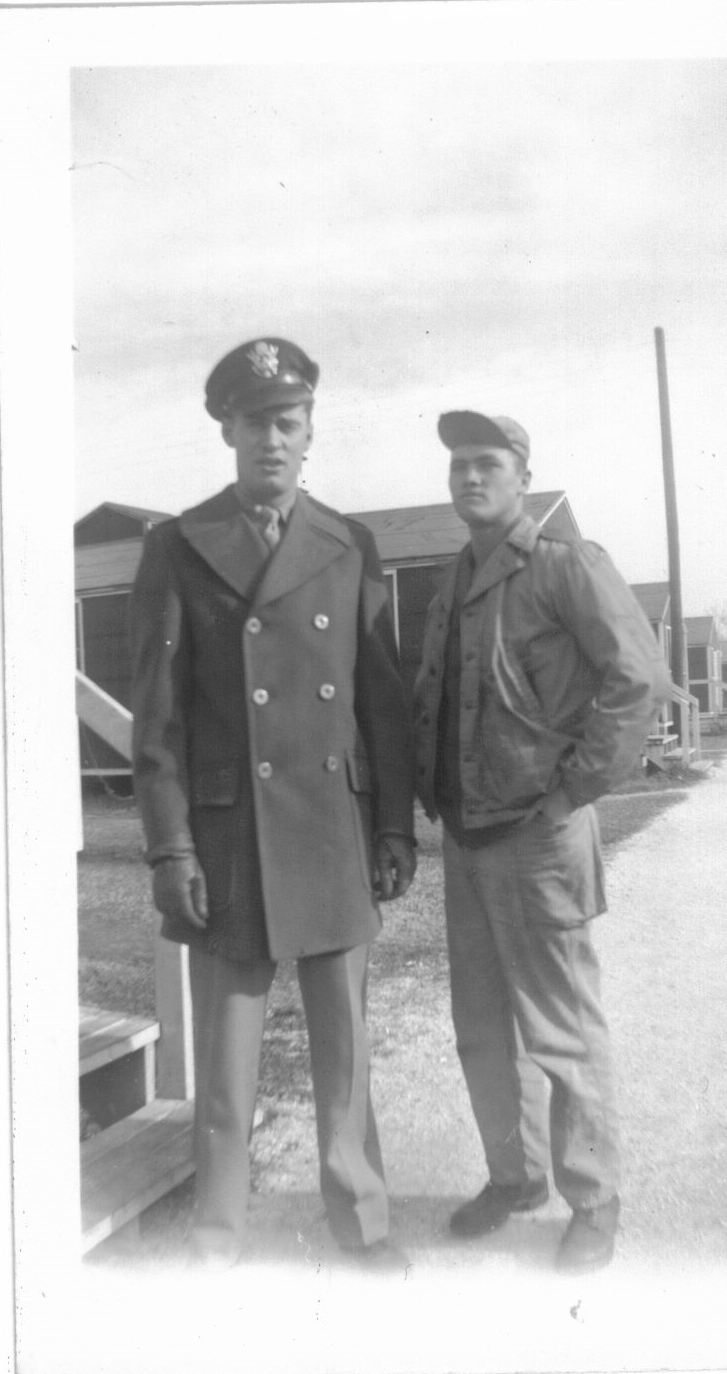
L-R 2nd Lt. Robert Clay Long and Sgt. Howard Oglesby. Photo Jon Selle, courtesy of www.384thbombgroup.com
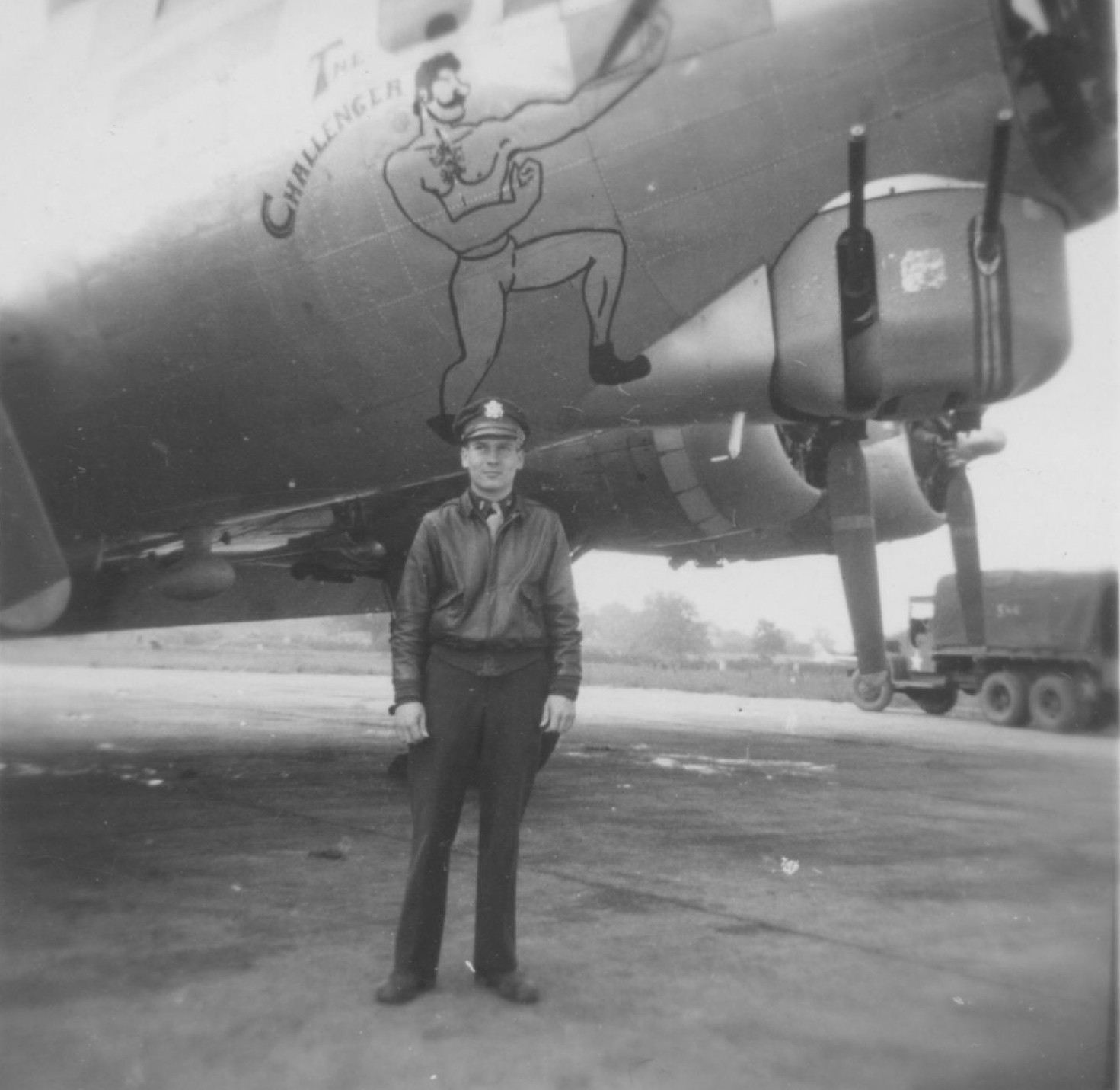
M/Sgt. Arnold Watterson, Crew Chief of The Challenger. Photo The Arnold Watterson Collection, courtesy of www.384thbombgroup.com
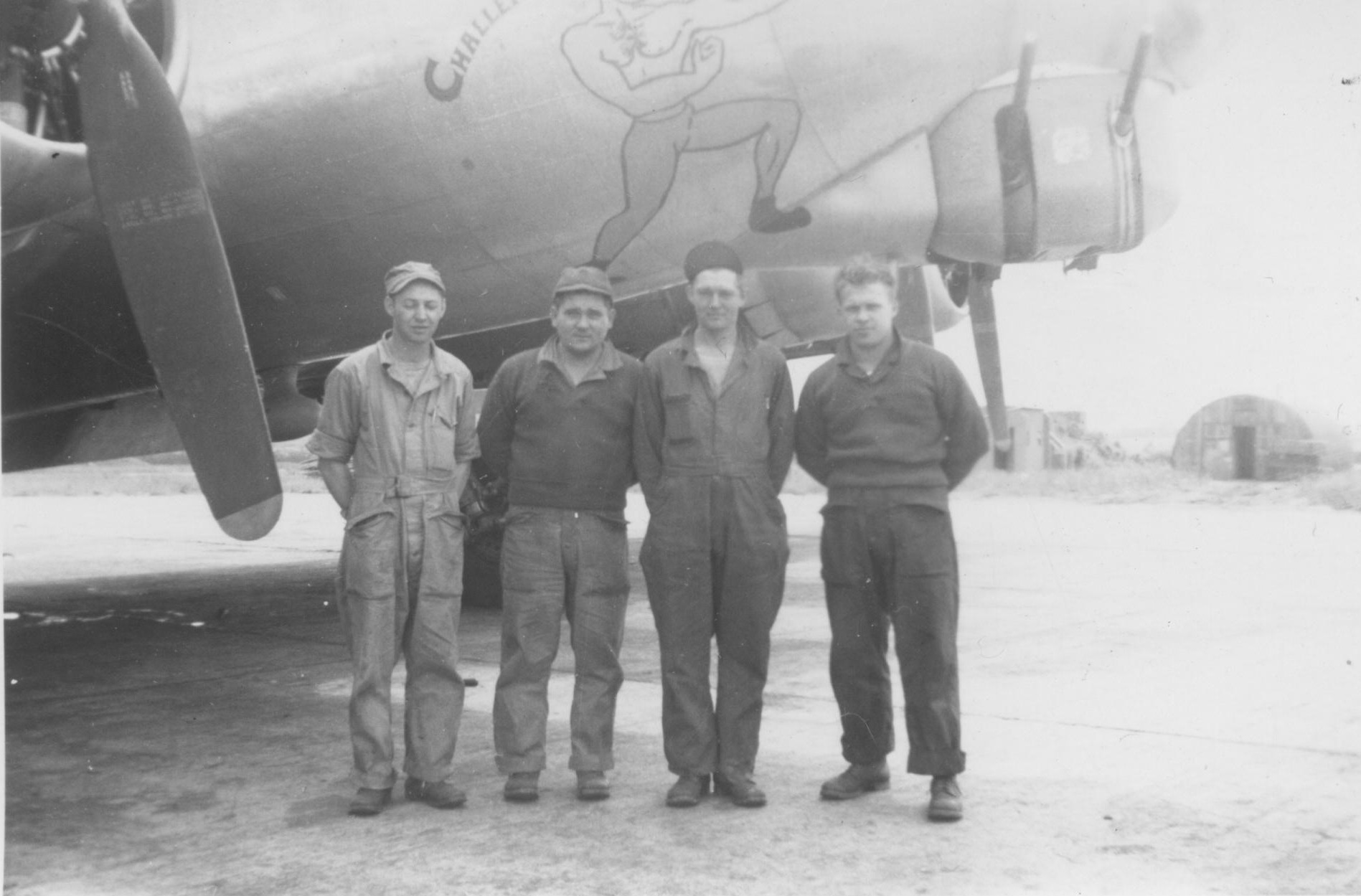
Ground crew for The Challenger - L-R Winston E. Riley, Albert J. Kosic, Arnold Watterson, Burton Cullip. Photo The Arnol;d Watterson Collection, courtesy of www.384thbombgroup.com
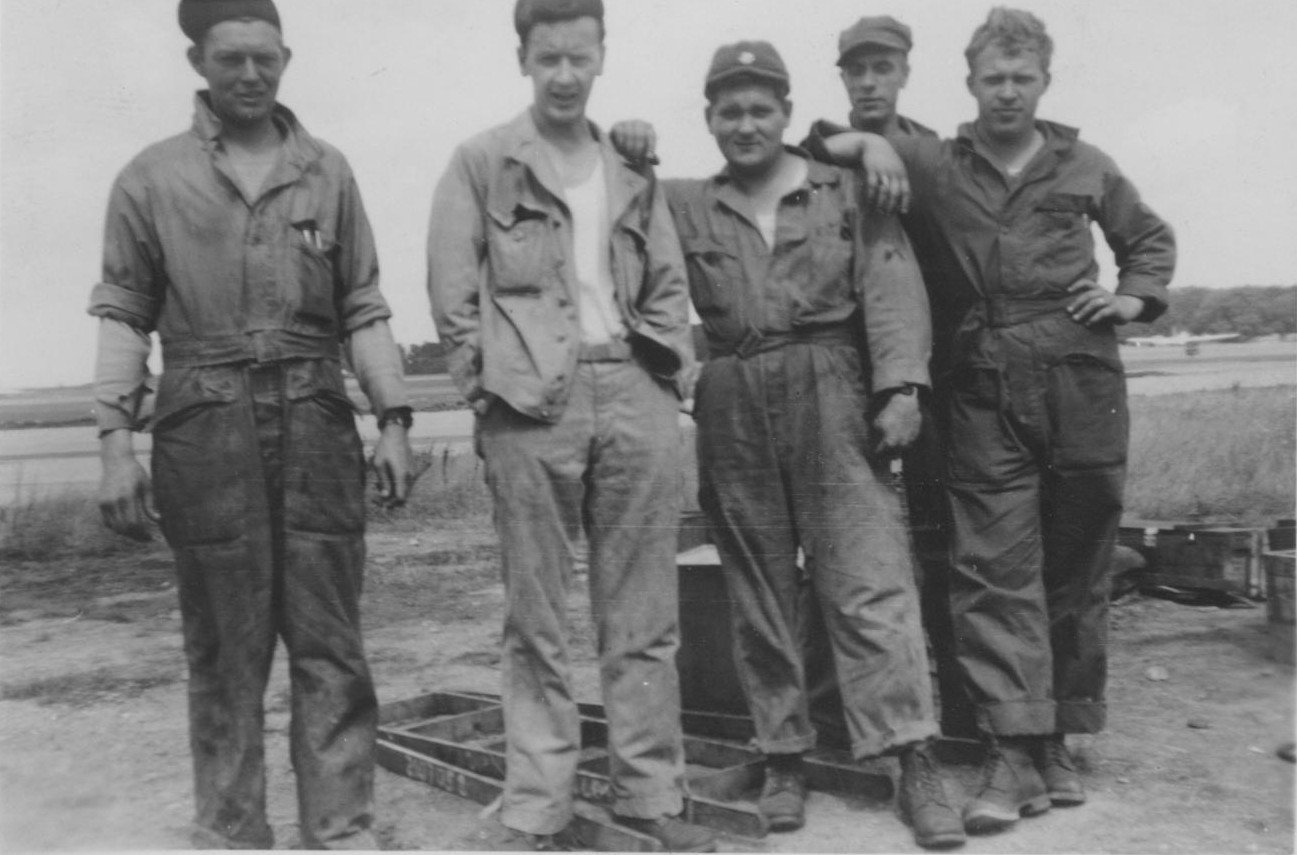
Ground crew - L-R Arnold Watterson, Leon Kornfeld, Albert Kosic, unknown, Burton Cullip. Photo The Arnold Watterson Collection, courtesy of www.384thbombgroup.com
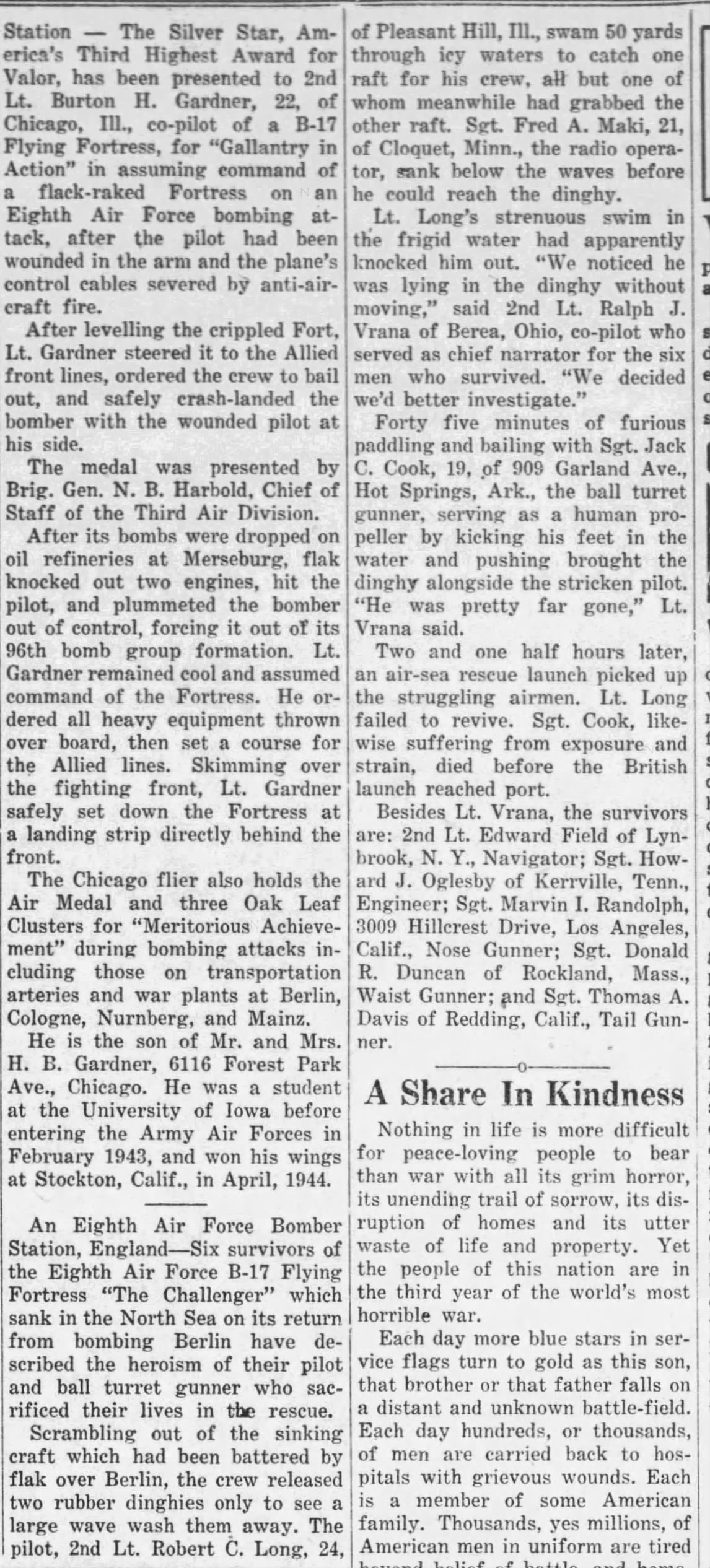
The_Mobile_Journal_Fri_16th_Mar_1945 - news article of Sgt. Maki's death. Image courtesy of www.newspapers.com
Missions
| Mission 178 | Landing Ground, La Perthe, France | View |
| Mission 119 | Focke-Wulf Aircraft Parts Plant, Krzesiny, Poznan, Poland | View |
The Challenger
Last updated: November 29, 2025, 2:33 pm| Name: | The Challenger |
| Serial Number: | 42-102501 |
| Manufacturer: | Boeing Airplane Company |
| Finish: | Natural |
| Squadron: | 546th Bomb Squadron |
| Squadron ID: | BK-H |
| Combat Missions Credited: | 100 |
| Fate: | Ditched, 03/02/1945 |
Built by the Boeing Airplane Company, B-17G #42-102501 was delivered to Cheyenne on 9th March 1944, before being assigned to the 546th Bomb Squadron on 12th May 1944. The aircraft was to have a long and distinguished record with the 384th Bombardment Group - she amassed 100 missions with just one abort due to engine problems over a period of 267 days, thus joining the short list of 'century bombers' to serve with the group.
Crew-chief was M/Sgt. Arnold Watterson, who was awarded a Bronze Star for his service on 7th December 1944. Many of the photographs attached to this story are credited to him.
Tragedy would, however, strike on the 100th mission, 3rd February 1945. Target for the day was the Tempelhof railroad marshalling yards at Berlin, Germany. This was mission #264 for the 384th Bomb Group, and the 8th Air Force's mission #817. There is a vivid recollection of this mission documented by Co-Pilot for this mission, 2nd Lt. Ralph O. Vrana, which was included in the MACR.
Shortly before bombs away, the aircraft was struck by flak, causing serious damage. Engines #3 and #4 were hit, with a loss of oil pressure forcing #3 engine to be feathered. They were able to keep #4 running, despite damage. The right wing had also suffered damage, the left Tokyo tank had been hit and lost its fuel contents, and the plexiglass nose had been shattered. Fortunately, no crew members had been injured. Despite the damage, the aircraft was able to stay with the formation and dropped their bomb load. However, on leaving the target area, The Challenger was unable to keep up with the main body of the formation, and slowly fell behind.
The decision was made to try and return to England. As airspeed dropped, the aircraft began to lose altitude and had dropped to 17,000 feet as it crossed the French coast. It was targeted again by flak at this point; however this was inaccurate and added no further damage. As altitude loss began to increase, everything that could be jettisoned from the aircraft to lighten the load was dropped. At 5,000 feet and with no coastline in sight, it was clear the aircraft was going to have to ditch and preparations began amongst the crew. They had at this point been joined by a further B-17, which was assumed to be reporting the predicament and position by radio for rescue services. At 13.15, with all crew other than the pilot and co-pilot in the Radio Operators compartment, the aircraft hit the sea.
The crew gathered in the Radio Operators compartment scrambled to exit via the hatch in the top of the fuselage. The two life rafts had been released from the fuselage; however, damage to one of them prevented it being fully inflated. Some crew also had difficulty fully inflating their Mae West lifejackets. The heavy sea swell had carried the rafts away from the aircraft, forcing the crew to enter the sea and start to swim towards them. The pilot, Robert Clay Long, and Co-Pilot Ralph John Vrana, who had exited the aircraft via the cockpit windows, had by this time joined the other crew members, with Robert Long swimming to the furthest raft to secure it. Fred Maki was last seen trying to swim to the rafts; however, he disappeared from view, last being seen drifting back towards the aircraft. He was not seen again.
Pilot Robert Long had now reached the semi-inflated raft. Sgt. Cook entered the water from the other raft and for the next 45 minutes remained in the water, kicking to push the raft towards the one containing the pilot. On reaching the raft, Sgt. Cook and Sgt. Duncan got in with the pilot. By this point it was clear that Robert Long had become seriously unwell, and he was to die in the raft.
At around 17.15, four hours after ditching, two P-47's overflew the crew - they dropped flares and flew east to pick up an Air-Sea rescue vessel. One of the P-47's was flown by Lt. Painter, flying out of Saffron Walden, Essex.
Shortly afterwards, vessel RML 523, an Air Sea rescue boat, arrived on the scene and helped the crew members onboard. Unfortunately, it was too late for Sgt. Cook who was to die of exposure on the vessel, whilst on its way back to Milton Lodge, England. Four hours later the survivors were able to set foot back on land.
Of the surviving crew, all would complete their tours, with them all (with the exception of Sgt. Davis) flying on the very final combat mission of the 8th Air Force, on 25th April 1945.
There is a YouTube video that is narrated by Edward Field, and produced by his niece Diane Weis, that can be viewed on this link Minor Accident Of War / An animated WW2 story narrated by Edward Field - YouTube
Crew members on mission #264, aboard The Challenger
Pilot 2nd Lt. Robert Clay Long KIA
Co-Pilot 2nd Lt. Ralph John Vrana Completed tour, 24 combat missions
Navigator 2nd Lt. Edward Field Completed tour, 27 combat missions
Togglier Sgt. Marvin Irving Rudolph Completed tour, 20 combat missions
Radio Operator Sgt. Fred Arnold Maki MIA
Engineer/ Top Turret Sgt. Howard Jasper Oglesby Completed tour, 28 combat missions
Ball Turret Gunner Sgt. Jack Coleman Cook KIA
Tail Gunner Sgt. Thomas Arnold Davis Completed tour, 13 combat missions
Waist / Flexi Gunner Sgt. Donald Ramsey Duncan Completed tour, 27 combat missions
Research courtesy of Keith Andrews on behalf of 384th Bombardment Group Museum.
With kind thanks to the 384th Bomb Group website www.384thbombgroup.com for permission in using material from their records in the making of this story. It holds a wealth of information, documents and photographs of their activities during World War 2.
Further information courtesy of www.newspapers.com
Gallery
B-17G #42-102501 The Challenger. Photo courtesy of www.384thbombgroup.com
B-17G #42-102501 The Challenger. Photo courtesy of www.384thbombgroup.com
B-17G #42-102501 The Challenger. Photo courtesy of www.384thbombgroup.com
B-17G #42-102501 The Challenger. Photo part of The Arnold Watterson Collection, courtesy of www.384thbombgroup.com
B-17G #42-102501 The Challenger. Photo part of The Arnold Watterson Collection, courtesy of www.384thbombgroup.com
The Challenger returns from a mission into Grafton Underwood. Photo Michael Hamilton, courtesy of www.384thbombgroup.com
The 2nd Lt. Robert Long crew. Back L-R Sgt. Davis, Sgt. Maki, unknown, Sgt. Oglesby, unknown. Front L-R 2nd Lt. Long, 2nd Lt. Vrana, 2nd Lt. Field, unknown. Photo Edward Field courtesy of www.384thbombgroup.com
An image of one of the two lift rafts from onboard the Air-Sea rescue launch. Photo Edward Field courtesy of www.384thbombgroup.com
One of the two lift rafts about to be rescued by the Air-Sea rescue launch. Photo from Edward Field, 'me' having been marked on the image by himself. Photo courtesy of www.384thbombgroup.com
L-R 2nd Lt. Robert Clay Long and Sgt. Howard Oglesby. Photo Jon Selle, courtesy of www.384thbombgroup.com
M/Sgt. Arnold Watterson, Crew Chief of The Challenger. Photo The Arnold Watterson Collection, courtesy of www.384thbombgroup.com
Ground crew for The Challenger - L-R Winston E. Riley, Albert J. Kosic, Arnold Watterson, Burton Cullip. Photo The Arnol;d Watterson Collection, courtesy of www.384thbombgroup.com
Ground crew - L-R Arnold Watterson, Leon Kornfeld, Albert Kosic, unknown, Burton Cullip. Photo The Arnold Watterson Collection, courtesy of www.384thbombgroup.com
The_Mobile_Journal_Fri_16th_Mar_1945 - news article of Sgt. Maki's death. Image courtesy of www.newspapers.com
Missions
| Mission 178 | Landing Ground, La Perthe, France | View |
| Mission 119 | Focke-Wulf Aircraft Parts Plant, Krzesiny, Poznan, Poland | View |